Love Your Vision: What to Expect After Your Vision Correction Procedure
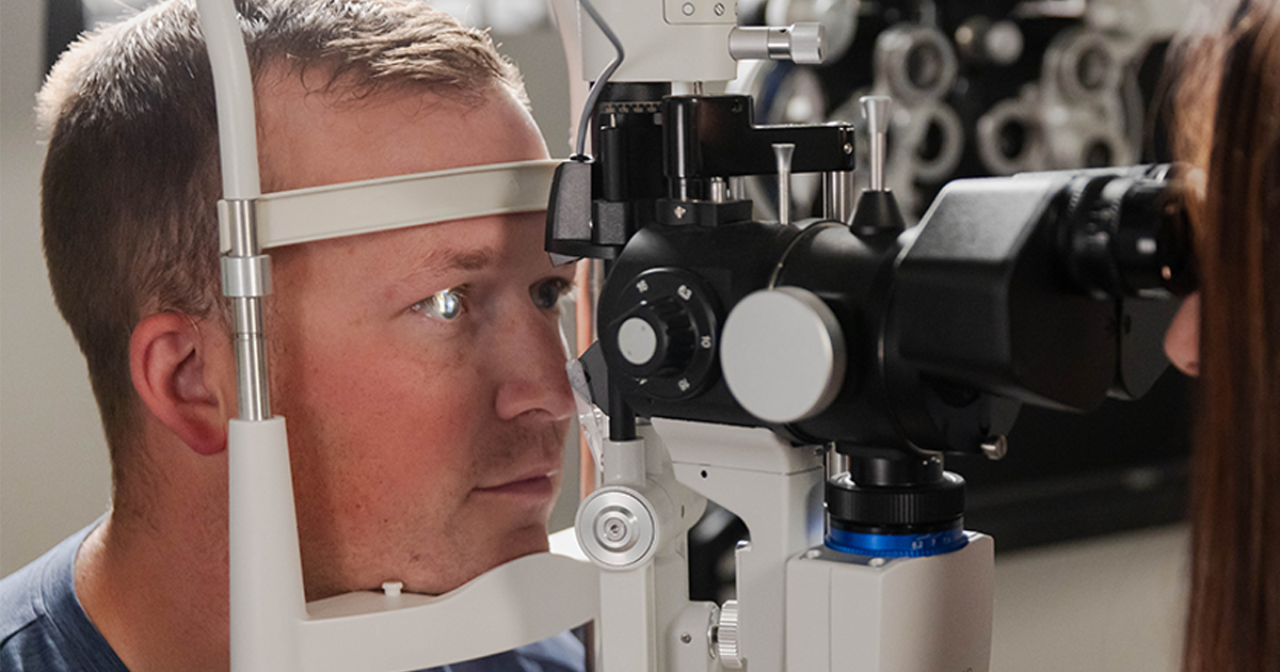
Before going into any surgery, it’s common to wonder about what will happen after. “How long will it take before I can live my life normally again?” One of the biggest benefits of LASIK and other vision correction procedures is that recovery is typically quick. In this blog, we’ll break down the average recovery time of patients, as well as things to be mindful of during this short journey on the way to clearer vision.
The LASIK Procedure
For the vision correction procedure, the surgeon uses a precise laser to gently reshape the cornea. This allows light rays to focus more directly on the retina, ultimately reducing dependence on glasses and contact lenses. The procedure is performed in-office and typically lasts only a few minutes per eye.
For a LASIK procedure, the surgeon creates a thin protective flap in the cornea with a femtosecond laser. They fold the flap back and then gently reshape the cornea with an excimer laser. The flap is positioned back in place, where it will heal, allowing for clearer vision.
After Vision Correction Surgery
Once surgery is completed, many patients notice results immediately. The eye still needs time to fully heal, but the changes will be apparent once the patient opens their eyes. That being said, patients might experience some minimal discomfort following the procedure:
- Discomfort - Stinging, burning, scratchiness, or feeling like something is in the eye. This typically lasts 4-6 hours after the procedure.
- Sensitivity to Light - Bright lights can be uncomfortable as the eyes adjust; sunglasses can be helpful.
Despite the noticeable improvement in vision, patients will need to have someone drive them home after the procedure. These post-surgery symptoms are normal and typically improve quickly. If patients find themselves dealing with these symptoms for longer than a week, we ask them to schedule an exam ahead of their routine follow-up appointment.
Restrictions & Care
After surgery, we ask our patients to adhere to a few small regimens to help with the healing process:
- No Eye Rubbing - Resist eye rubbing to avoid causing damage to the corneal flap.
- Eye Drops - To help with discomfort, we prescribe antibiotic, anti-inflammatory or lubricating eye drops.
- No Swimming - Keep your eyes free from water exposure for a few weeks. This helps to prevent potential infection.
- Avoid Irritants - Patients should refrain from using eye makeup, lotions, or perfumes near the eyes for the first week.
Winter Recovery
A common question we see from patients is if recovery is affected by seasons—specifically winter. The answer is both yes and no. Winter offers its fair share of benefits and challenges for recovery.
Benefits
- More Indoor Time - The cold weather encourages staying inside, which aligns with resting, avoiding any irritants and strenuous activities.
- Fewer Allergens - Winter often has lower pollen counts, resulting in less eye irritation from seasonal allergies.
- Reduces UV Exposure - Lower UV levels are gentler on sensitive, healing eyes compared to the summer months.
Challenges
- Dryness - Indoor heating and cold, dry air can affect post-LASIK healing.
- Glare - Sunlight that reflects off the snow can increase brightness and glare.
- Wind - Cold winds can irritate the eyes and trigger potential tearing.
A Strong Recovery
Ultimately, the best thing for patients to do while in recovery is to follow the advice prescribed to them by their doctor. They might recommend eye drops or wearing protective eyewear to shield the eyes from UV rays. At Vance Thompson Vision, we work with our patients to develop a personalized recovery plan that supports optimal healing. We also schedule routine follow-up appointments to check on the status of their vision.
Want to know more about LASIK and vision correction procedures? Visit our LASIK page or contact us at 1-877-522-EYES (1-877-522-3937) to schedule your consultation today.
LASIK FAQs
Can you get LASIK if you have astigmatism?
Yes, patients with mild to moderate astigmatism are usually great candidates for LASIK. A consultation is required to determine if LASIK is the best refractive procedure for your specific vision. If it isn’t, you may qualify for another vision correction option.
What is recovery from LASIK like?
After the topical anesthesia wears off, most patients experience burning, tearing, and light sensitivity for approximately four hours. Generally, patients can see immediately after surgery, and their vision improves with each passing hour. Avoiding swimming, eye makeup, and eye rubbing is important. Many patients find it helpful to use preservative-free artificial tears to ease discomfort and aid healing.
When can I return to work after LASIK?
Many patients are able to return to work within one to two days after LASIK, depending on their comfort level and the type of work they do. Jobs that require prolonged screen time may cause temporary dryness or eye fatigue, which can typically be managed with lubricating eye drops and regular breaks.
Is LASIK painful?
LASIK itself is generally not painful. Numbing eye drops are used during the procedure to keep patients comfortable. Some mild discomfort, burning, or scratchiness may occur for a few hours after surgery, but this typically improves quickly.
When can I drive after LASIK?
Most patients are able to drive after 24 hours, once their doctor confirms their vision meets driving requirements at the post-operative exam. Patients should not drive on the day of surgery.
How long does it take for vision to fully stabilize?
While many patients notice clearer vision immediately, vision can continue to improve and stabilize over the course of several weeks to a few months as the eyes fully heal. Follow-up appointments help ensure healing is progressing as expected.
from Vance Thompson Vision Blog https://www.vancethompsonvision.com/blog/what-to-expect-after-your-vision-correction-procedure-2
via Vance Thompson Vision


Comments
Post a Comment